
The Business Case for Investing in Quality Industrial Safety Gear
The Business Case for Investing in Quality Industrial Safety Gear
Cutting corners on industrial safety gear can cost you more than money—it risks lives and downtime. Your workforce relies on quality safety equipment to stay protected and productive every day. This post breaks down why investing in reliable protective clothing and gear pays off by reducing accidents and saving on long-term expenses. Keep reading to see how smart safety gear investment secures both your team and your bottom line. For more insights, you can explore this resource: [https://sbnsoftware.com/blog/how-to-evaluate-the-roi-of-investing-in-quality-ppe/].
Importance of Quality Safety Gear
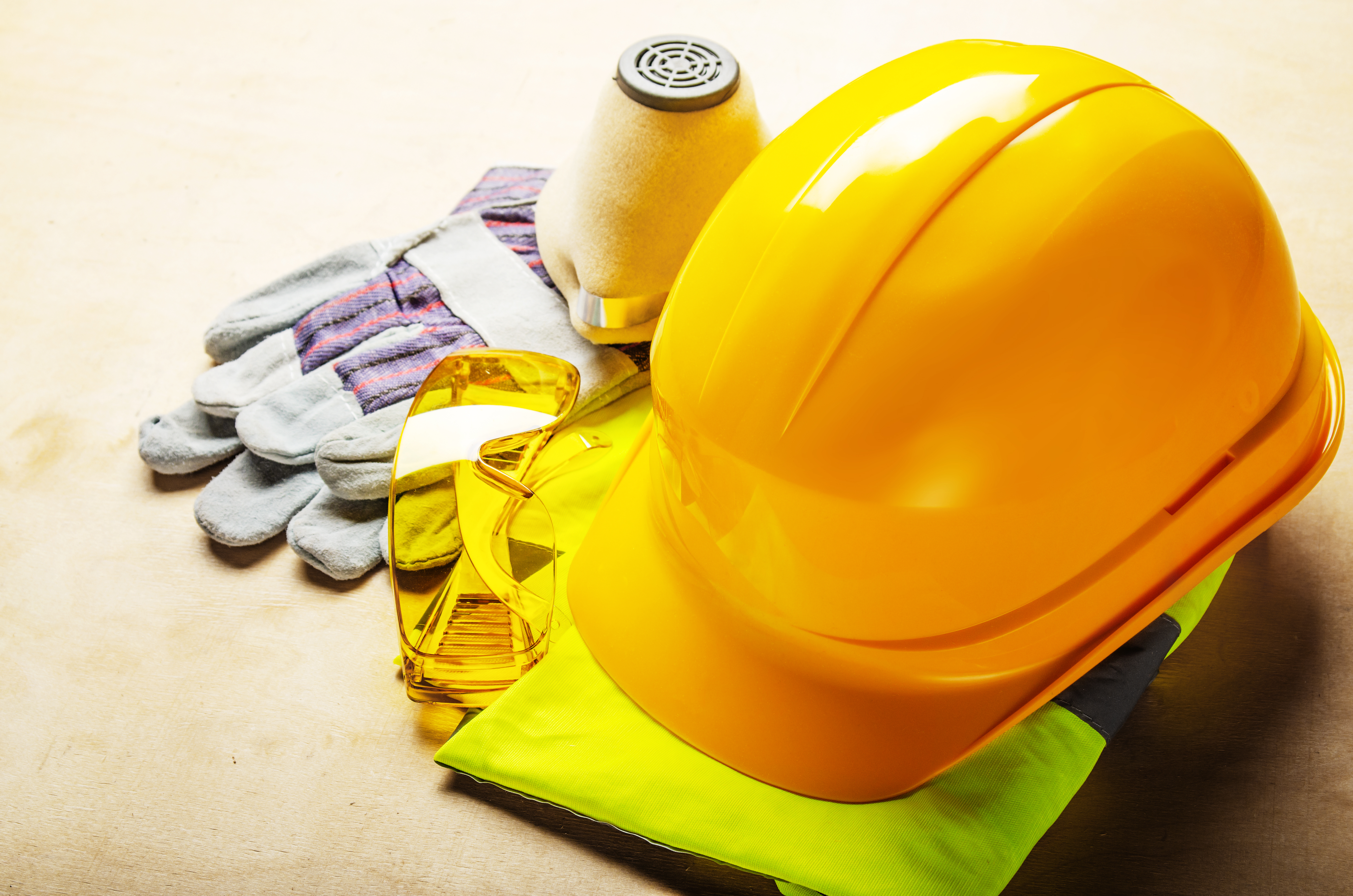
Investing in high-grade safety gear is crucial to maintaining an efficient work environment. But how does this translate into everyday operations?
Enhancing Workplace Safety Standards
Keeping your team safe isn’t just about checking boxes. It’s about creating a space where they feel valued and secure. Quality safety equipment plays a key role in this. Consider helmets and harnesses—these aren’t just gear; they’re lifesavers. By choosing the right gear, you’re setting a higher standard for safety. Most companies think safety gear is enough, but the right gear makes all the difference.
Long-term Financial Benefits
Spending on quality safety gear today can save thousands tomorrow. How? By cutting down on injury-related expenses and minimizing downtime. For example, a durable safety harness might cost more upfront, but it reduces the risk of costly accidents. Look at it as an investment, not an expense. The longer you wait, the more it could cost.
Reducing Workplace Accidents
Fewer accidents mean less time lost to recovery and lower insurance premiums. Every minor injury avoided is a step toward productivity. Take gloves designed for specific tasks—they offer better protection than generic ones, significantly lowering accident rates. This is where smart investments pay off. You can learn more about the financial impact of safety investments here: Financial Value of Safety Investments.
Benefits of Protective Clothing

Protective clothing is more than just a uniform. It’s a frontline defense against workplace hazards. What are the key advantages?
Ensuring Comprehensive Protection
Your workers face numerous risks daily, from chemical spills to sharp objects. Protective clothing acts as a barrier against these dangers. For example, flame-resistant jackets shield workers in high-temperature environments. This protection isn’t just comprehensive; it’s crucial. Most think any jacket will do, but specialized gear provides superior safety.
Meeting Industry Regulations
Compliance with industry standards isn’t optional—it’s mandatory. Protective clothing that meets these regulations helps avoid fines and penalties. This not only protects your team but also your business’s reputation. By staying compliant, you’re showing commitment to safety and excellence. Explore more on regulatory compliance at OSHA Business Case.
Improving Worker Comfort and Efficiency
Comfortable workers are more productive. When protective clothing fits well and feels good, it boosts morale and efficiency. Imagine a worker trying to maneuver in a bulky suit—not ideal. Well-fitted gear allows for better movement and focus, leading to improved work performance. Think about how much more your team can achieve when they’re not held back by their gear.
Making the Safety Gear Investment
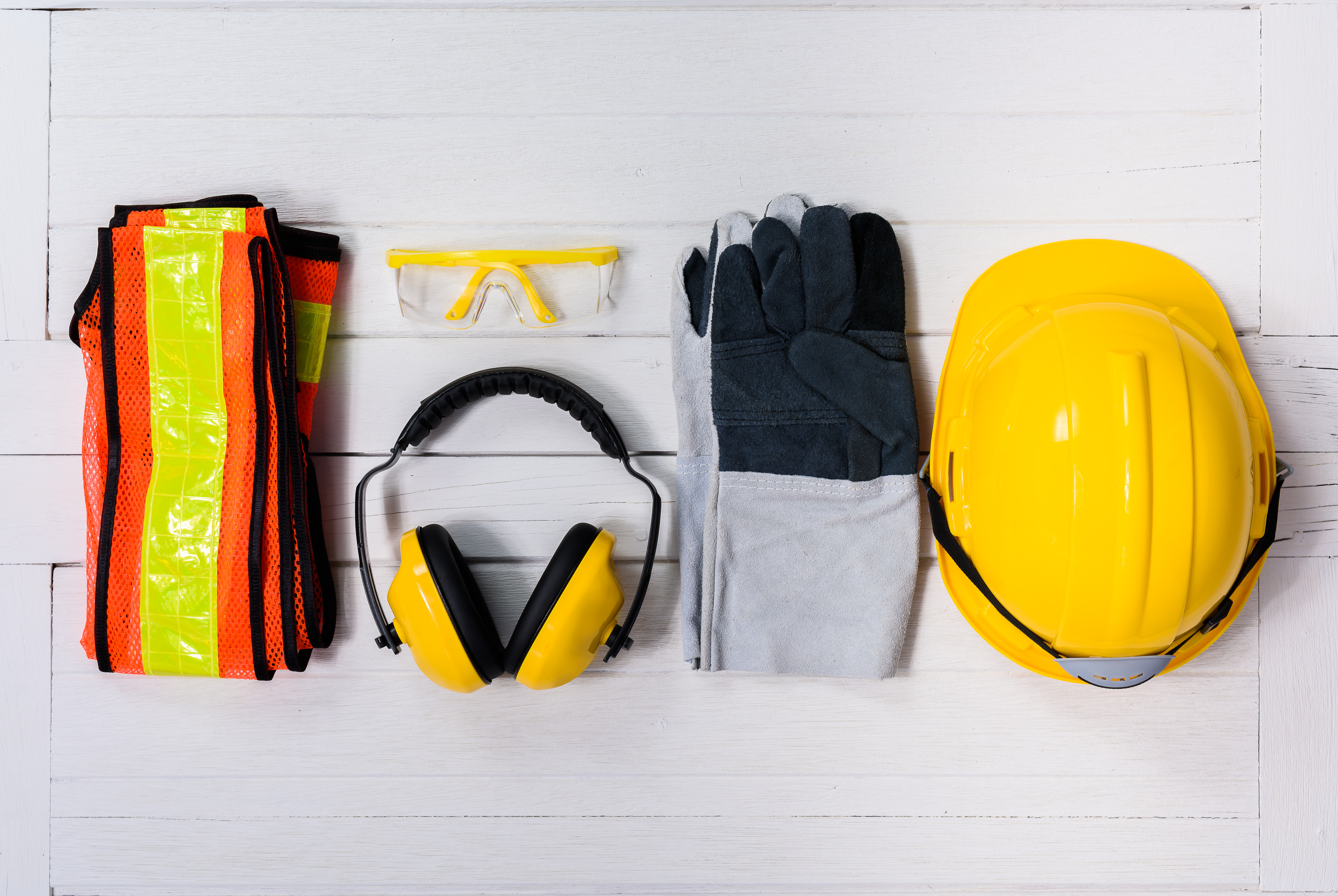
Choosing the right safety gear requires careful consideration. How do you ensure you’re making the best investment?
Assessing Quality Safety Equipment
Not all safety equipment is created equal. Look for products that have been tried and tested in your industry. High-quality gear often comes with certifications and customer reviews. Research and ask for demonstrations to see how these products perform in real-life scenarios. Remember, informed decisions lead to safer outcomes. For more on making informed safety investments, check out Assessing Safety Investments.
Cost-Effective Procurement Strategies
Buying in bulk and establishing vendor relationships can reduce costs. Look for suppliers who offer discounts or package deals. Also, consider the total cost of ownership, including maintenance and replacement. This strategy helps stretch your budget while keeping safety standards high. Most think initial price is the only factor, but long-term savings matter too.
Engaging Expert Consultation Services
Don’t hesitate to seek expert advice. Professionals can help you choose the right gear and ensure proper use. Their insights can prevent costly mistakes and enhance safety protocols. Having a reliable partner in safety boosts confidence and operational efficiency. By engaging experts, you’re not just buying equipment—you’re investing in the safety of your workforce and the success of your business.
In conclusion, prioritizing quality safety gear is essential for a safe and productive work environment. Each aspect, from enhancing standards to consulting experts, contributes to a safer workplace. Investing wisely today not only safeguards your team but strengthens your business for the future. For a deeper understanding, explore the Business Case for Safety.


