
Expert Tips to Extend the Life of Your Power and Hand Tools
Expert Tips to Extend the Life of Your Power and Hand Tools
Power tools maintenance isn’t just about keeping your gear clean—it’s about extending tool life to save time and money on every job. When your hand tools care routine falls short, equipment longevity suffers, risking delays and safety issues. Let’s explore practical steps that boost industrial tools durability and keep your work running smoothly. For more detailed guidance, visit this resource.
Essential Power Tools Maintenance
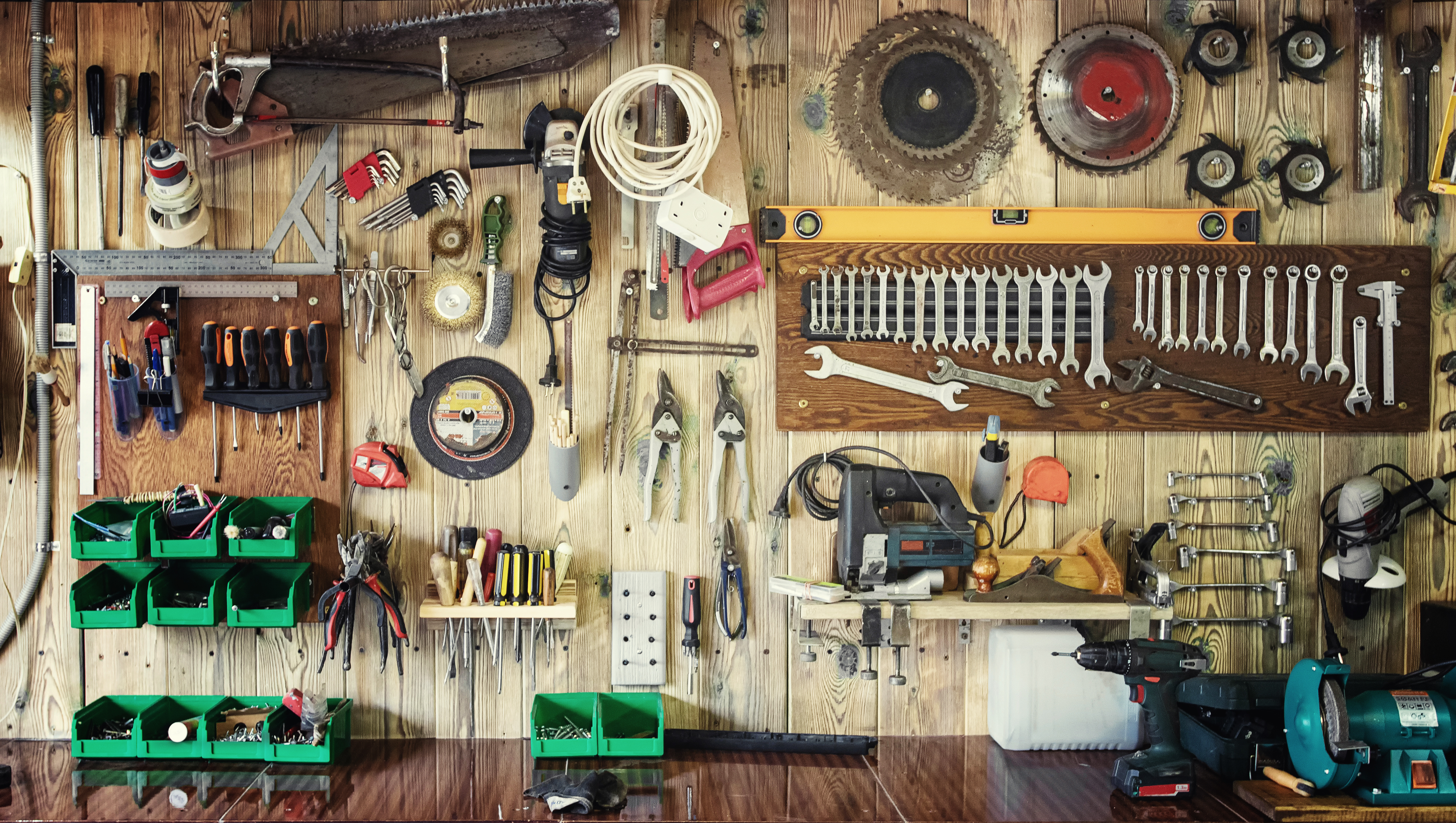
To ensure your tools perform at their best, start by focusing on maintenance. Proper upkeep not only saves you money but also boosts productivity on the job.
Regular Cleaning Techniques
Keep your tools clean to prevent dust buildup. Dust can cause overheating and damage. Use a soft cloth to wipe down surfaces after each use. For hard-to-reach areas, a can of compressed air works wonders. Make it a routine to check for any signs of wear or damage. Regular cleaning means your tools are always ready for action and reduces the chance of unexpected breakdowns.
Proper Storage Solutions
Storing your tools correctly is crucial. A dry, cool place is best. Moisture can lead to rust, shortening tool life. Consider using wall racks or storage bins to keep everything organized and off the ground. Proper storage not only protects your investment but also enhances tool accessibility. For more insights on storage, check out this article.
Hand Tools Care Essentials

Hand tools need attention too. Simple steps can prevent rust and ensure they function smoothly.
Inspection and Lubrication Tips
Always inspect your hand tools for damage before use. Look for cracks or loose parts. Regular checks help avoid accidents. Lubricate moving parts with a light machine oil to keep them operating smoothly. Proper lubrication reduces friction, extending the lifespan of your tools.
Sharpening and Rust Prevention
Sharp tools are more efficient and safer. Keep blades sharp with a file or sharpening stone. This not only improves performance but also reduces the effort needed for each task. To prevent rust, wipe tools with a lightly oiled cloth after cleaning. Store them in a dry place to keep them rust-free. These small steps can make a big difference in tool longevity.
Strategies for Equipment Longevity
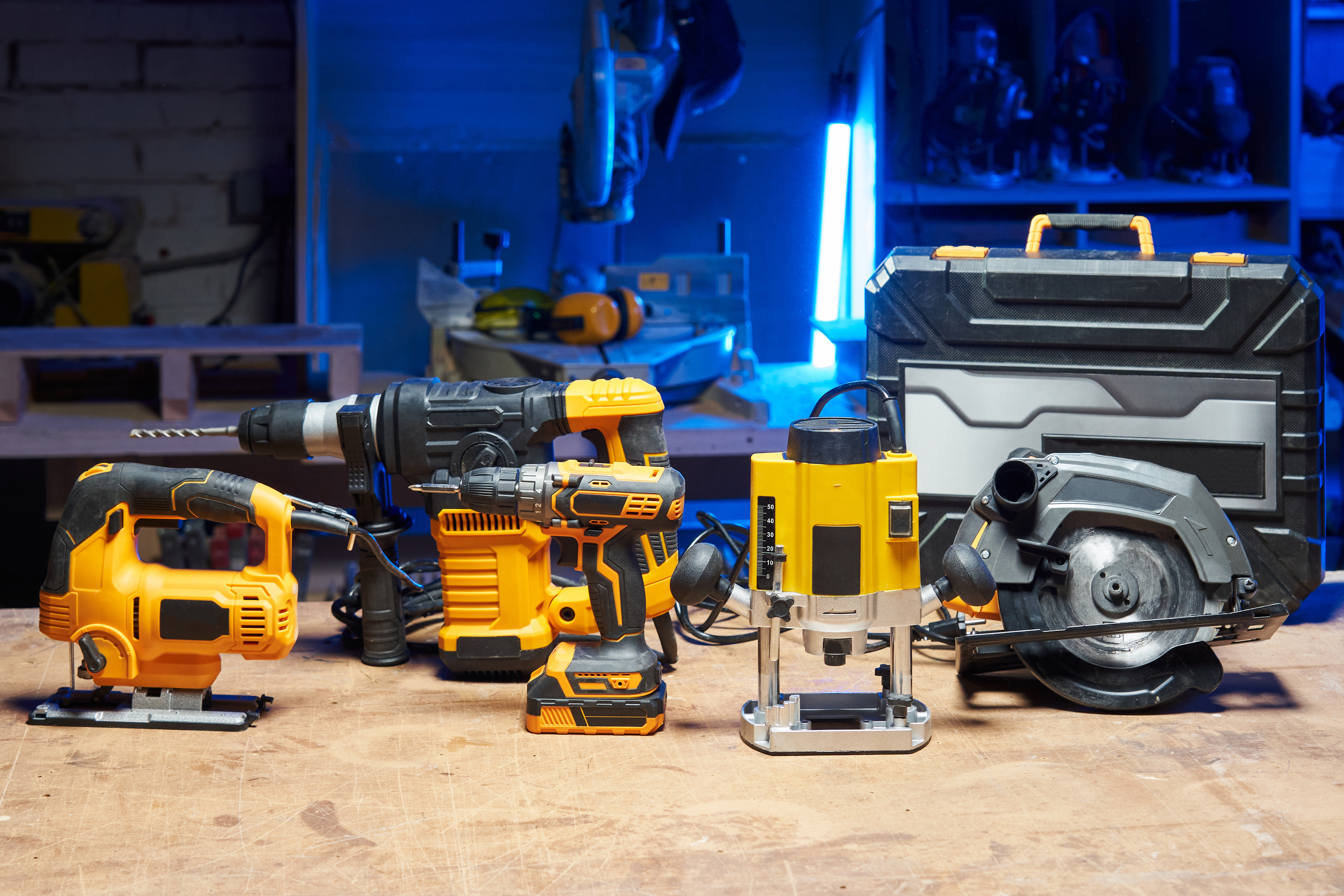
Long-term strategies can keep your tools in top shape for years to come. It’s about planning and investing in quality.
Schedule Routine Check-Ups
Regular check-ups are key. Set aside time monthly to inspect and maintain your tools. This proactive approach helps catch issues early and prevents costly repairs. Think of it as a health check for your equipment, ensuring everything runs smoothly.
Invest in High-Quality Tool Kits
Quality matters. Investing in high-quality tools might cost more upfront but saves money in the long run. They last longer and require less frequent replacements. Plus, they often come with warranties for extra peace of mind. For more tips on choosing the right tools, visit this guide.
In conclusion, maintaining your tools is more than just a task—it’s an investment in your work’s success. Proper care ensures safety, efficiency, and durability, allowing you to focus on what you do best. Keep these tips in mind, and your tools will serve you well for years to come.


