
Building a Culture of Safety: Choosing the Right Equipment for Your Team
Building a Culture of Safety: Choosing the Right Equipment for Your Team
Choosing the right industrial safety gear is more than a checklist item—it shapes your entire safety culture. When your team trusts the safety equipment they use, workplace safety improves and efficiency follows. This post breaks down how selecting the right construction tools, manufacturing safety gear, and mining equipment can protect your crew and boost productivity. Contact our expert team today for personalized advice on the best safety and equipment solutions for your industry. For more insights on creating a safety culture, visit this guide.
Importance of Safety Culture
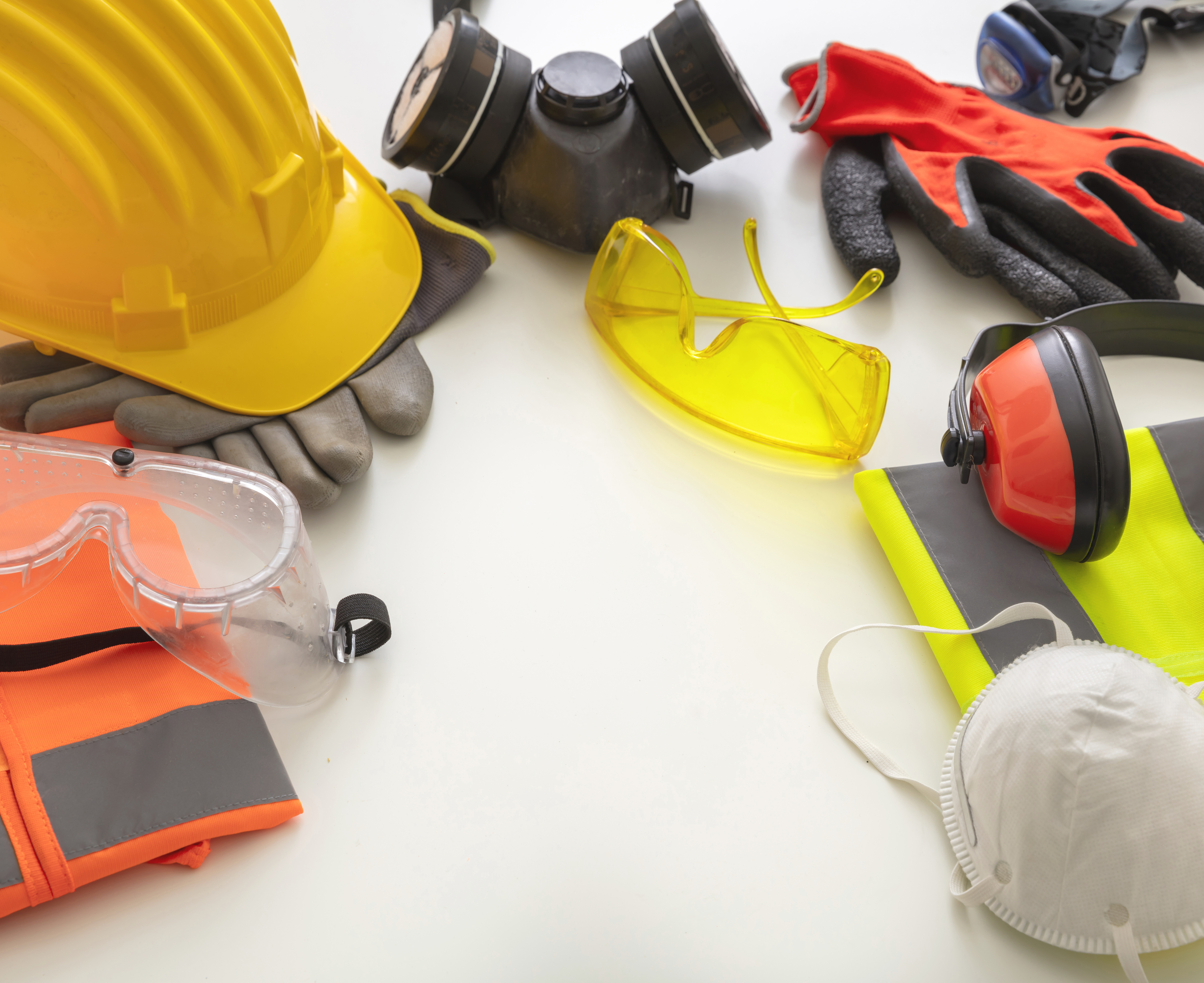
Creating a strong safety culture is vital for any workplace, particularly in industries like construction, manufacturing, and mining. It sets the tone for how safety is perceived and practiced daily.
Benefits of a Strong Safety Culture
A strong safety culture offers numerous benefits. First, it reduces accidents, keeping employees safe and minimizing downtime. When workers know safety is a priority, confidence in their environment grows. This commitment often leads to higher morale and increased productivity. Companies with robust safety cultures also tend to enjoy lower insurance costs due to fewer claims.
Moreover, investing in safety can enhance your company’s reputation. Clients and partners want to work with companies that prioritize their workers’ well-being. A great example is how some firms have seen a 20% reduction in incidents after strengthening their safety culture. This not only protects employees but also boosts the bottom line by avoiding costly disruptions.
Encouraging Employee Involvement
Encouraging employee involvement is crucial in building a safety culture. When employees take an active role in safety, they become more aware of potential hazards and are more likely to follow safety protocols. One effective way is to involve them in safety training and decision-making processes.
For instance, weekly safety meetings can provide a platform for workers to voice concerns and suggest improvements. Additionally, offering incentives for safe behavior can motivate employees to stay vigilant. Remember, most people think safety is solely leadership’s responsibility, but true safety culture thrives when everyone participates. To learn more about fostering an inclusive safety culture, explore these strategies.
Selecting the Right Equipment
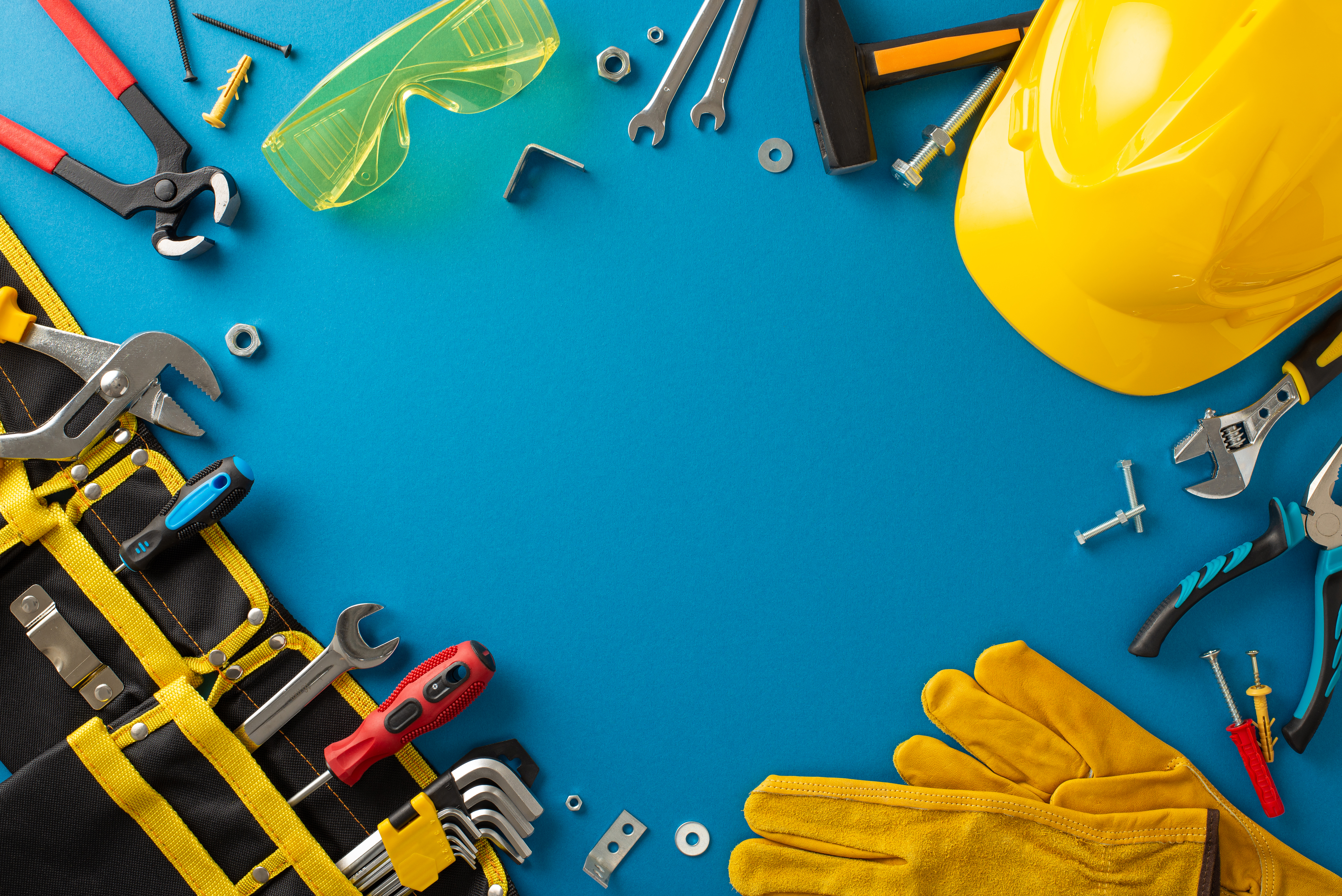
Once a safety culture is in place, selecting the right equipment becomes the next crucial step. The equipment you choose directly influences workplace safety and productivity.
Key Factors in Equipment Choice
When selecting equipment, consider these key factors: durability, compatibility with existing tools, ease of use, and maintenance requirements. Start by assessing your industry’s specific needs. For example, construction tools often require robust materials that can withstand harsh environments.
Durability is essential. Long-lasting equipment reduces the need for frequent replacements, saving time and money. Compatibility with current tools ensures seamless integration, avoiding operational hiccups. Additionally, easy-to-use equipment minimizes training time, allowing workers to focus on their tasks.
Finally, consider maintenance. Equipment that is simple to maintain extends its lifespan and ensures consistent performance. A straightforward maintenance schedule can prevent unexpected breakdowns, keeping your projects on track.
Matching Tools to Industry Needs
Matching the right tools to your specific industry needs is paramount. Construction, manufacturing, and mining each have unique requirements. For example, manufacturing safety calls for tools that offer precision and efficiency, while mining equipment demands ruggedness and resilience.
Consider a scenario where a construction company chose lightweight, high-strength helmets. This choice not only met safety standards but also improved worker comfort, leading to better compliance. Such strategic selections can make a significant difference in overall safety.
It’s important to stay informed about the latest advancements in safety gear. Consult with experts who can provide insights into the best tools for your industry. For more tips on aligning equipment with industry needs, visit this resource.
Enhancing Workplace Safety
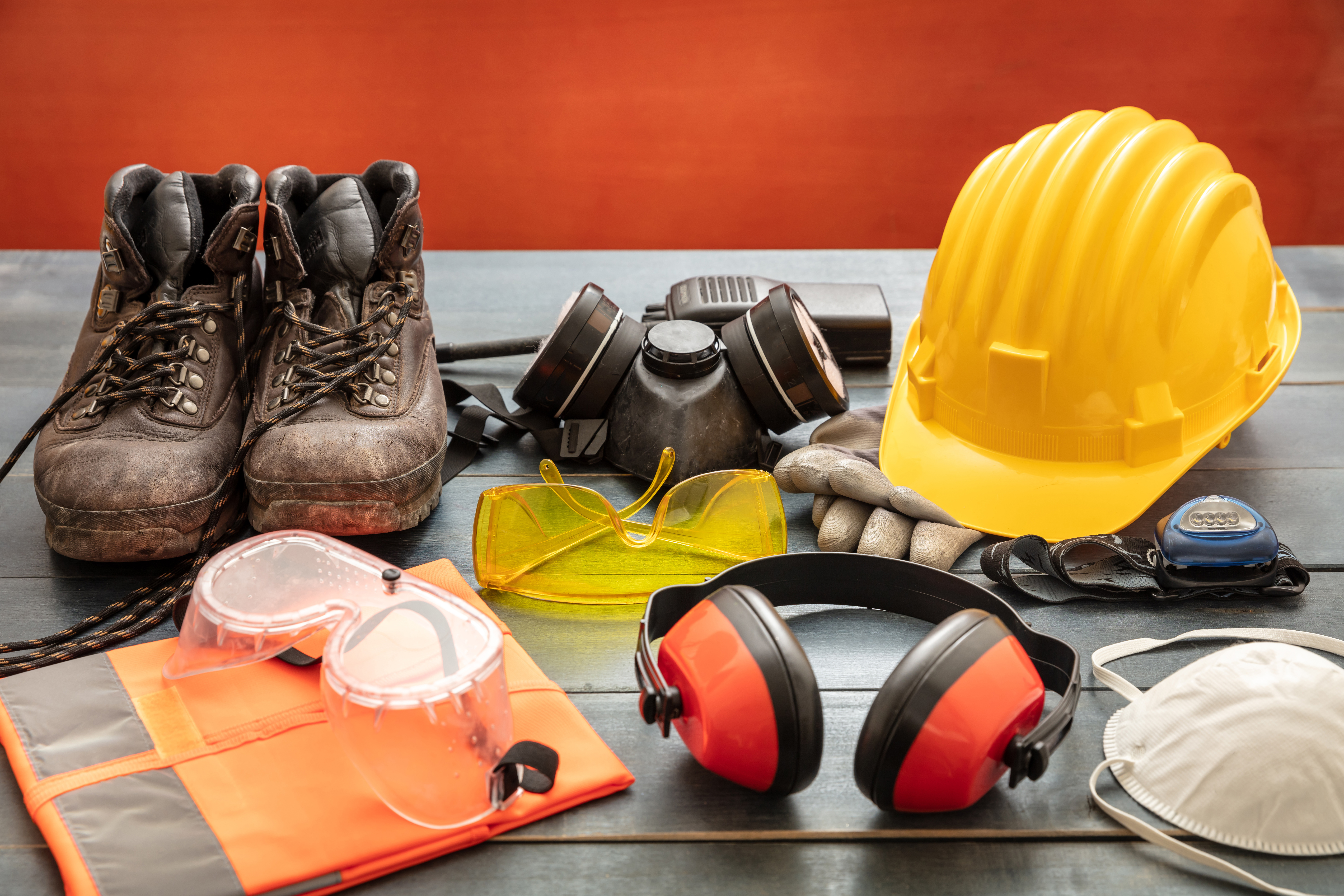
Having chosen the right equipment, focus shifts to integrating it effectively into daily operations. This step is crucial in enhancing workplace safety.
Integrating Industrial Safety Gear
Integrating industrial safety gear involves more than just distributing equipment. It requires a strategic approach to ensure all employees are equipped and trained to use the gear correctly. Begin by conducting training sessions that cover the proper use and maintenance of safety equipment.
Consider regular safety drills that incorporate the use of new gear. These drills help familiarize employees with the equipment, ensuring they know what to do in an emergency. This proactive approach not only boosts confidence but also prepares the team to handle unexpected situations.
Additionally, maintaining open communication about the importance of safety gear reinforces its value. Sharing success stories where safety gear prevented injuries can motivate workers to prioritize its use.
Boosting Efficiency with Proper Equipment
Proper equipment not only enhances safety but also boosts efficiency. When workers have the right tools, tasks are completed faster and with fewer errors. This efficiency directly contributes to higher productivity and cost savings.
For instance, a manufacturing plant that upgraded its assembly tools saw a 15% increase in output. The new tools reduced the time spent on each unit, allowing the team to meet deadlines with ease. This kind of improvement showcases how investing in the right equipment pays off.
Remember, the longer you wait to upgrade, the more you risk falling behind. Stay competitive by regularly evaluating your equipment and investing in solutions that align with your goals.
In conclusion, building a robust safety culture and selecting the right equipment are essential steps in ensuring workplace safety and efficiency. By involving employees, choosing the right tools, and effectively integrating safety gear, you create an environment where safety and productivity thrive.


