
Top Tips for Choosing Durable Workwear That Protects and Performs
Top Tips for Choosing Durable Workwear That Protects and Performs
Tough workwear isn’t just about looking the part—it’s about standing up to harsh conditions and keeping you safe. When you choose durable workwear, you’re investing in gear that won’t let you down during the toughest jobs. This guide breaks down what to look for in protective clothing that balances safety and performance, so you can make the smartest workwear selection for your team. For more details, check out this guide on choosing the right workwear.
Choosing the Right Workwear
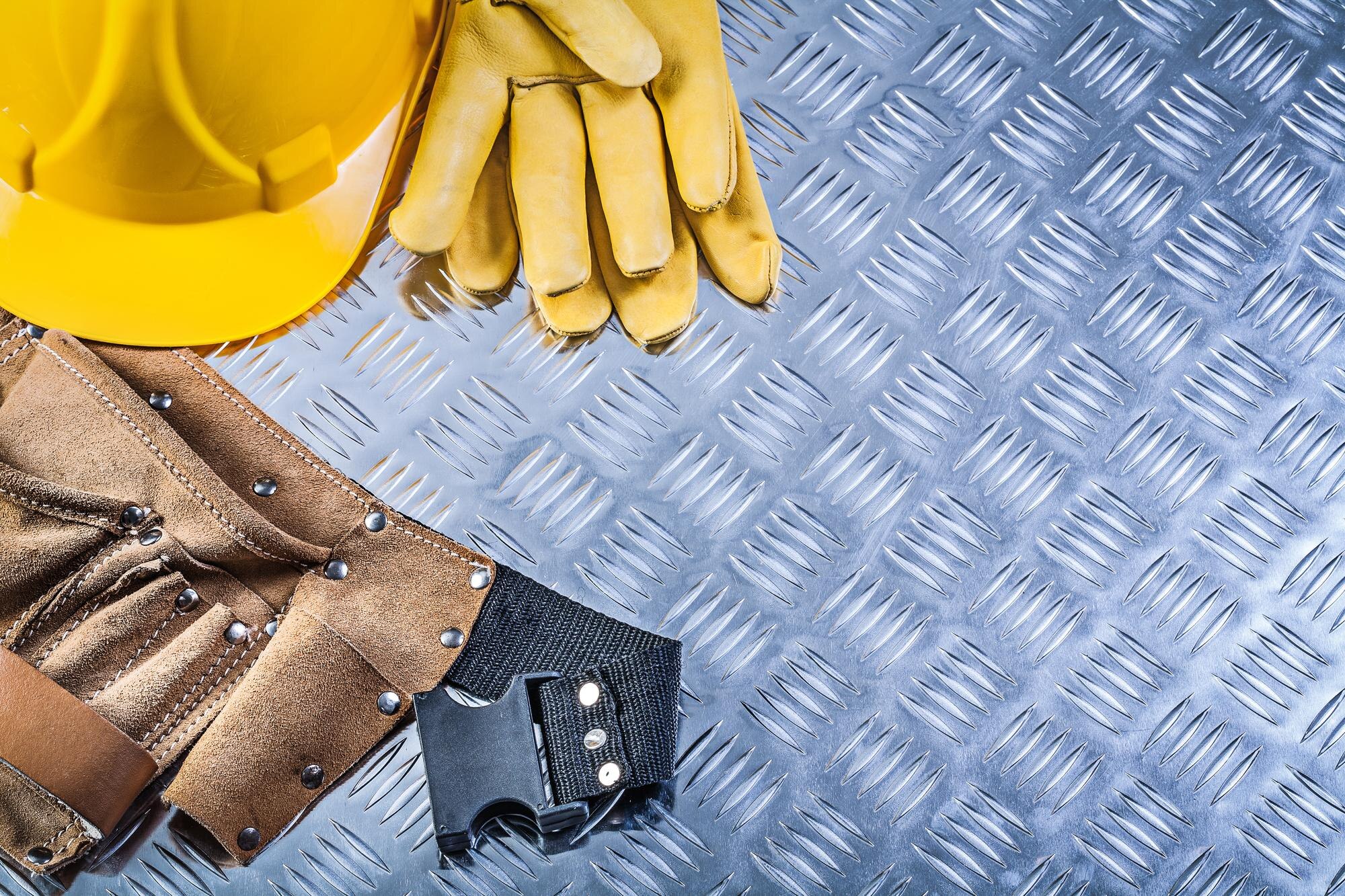
Getting the right gear is crucial for staying safe and productive. Let’s delve into the essentials that make workwear truly durable.
Key Features of Durable Workwear
When selecting workwear, consider the material. Tough fabrics like denim and canvas withstand wear and tear. Reinforced seams also add strength. Look for features like double stitching and bar-tacked stress points. These details prevent tears and prolong the life of your clothing. Think about pockets, too. Multiple pockets offer storage for tools, keeping them easy to reach.
Weather resistance is another key factor. Waterproof or water-resistant clothing ensures you stay dry in wet conditions. Windproof jackets are ideal for chilly environments. Quality zippers and closures seal out the elements. For more insights on selecting durable workwear, see this guide.
Importance of Protective Clothing
Protective clothing shields you from workplace hazards. High-visibility jackets keep you seen in low-light conditions, reducing accidents. For specific risks, flame-resistant fabrics guard against burns. Steel-toe boots protect your feet from heavy impacts, while hard hats prevent head injuries. These features are vital for safety in high-risk jobs.
Consider comfort, too. If gear is uncomfortable, workers might not wear it correctly, which compromises safety. Breathable fabrics help regulate body temperature, preventing overheating. A comfortable fit ensures ease of movement, boosting performance. For more on choosing suitable safety gear, check this article.
Ensuring Safety and Performance
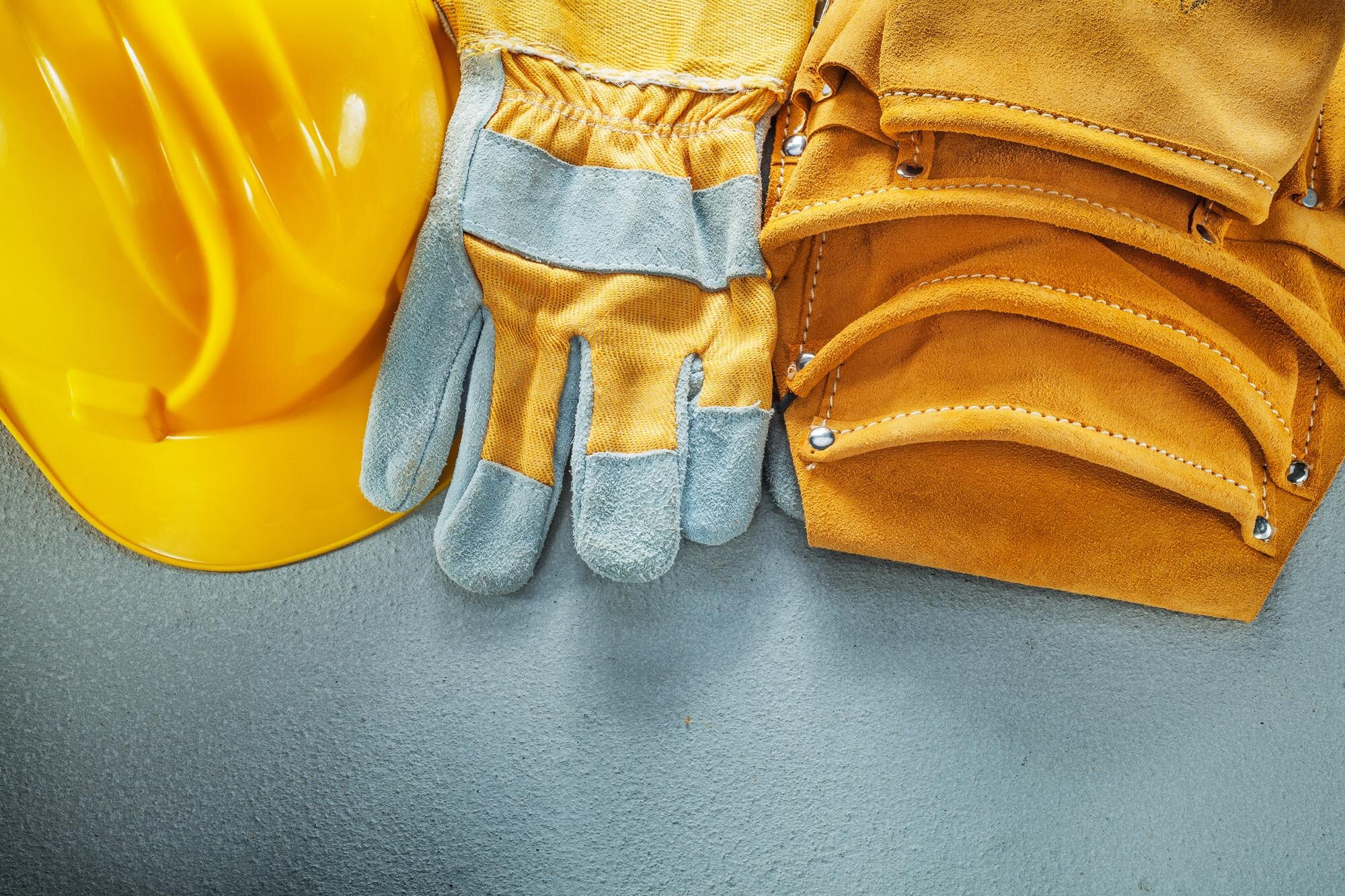
Safety and performance go hand in hand when it comes to workwear. Here’s how to evaluate and select the best gear for your industry.
Evaluating Industrial Safety Gear
Selecting the right safety gear requires careful evaluation. Start by assessing the job’s risks. For example, in construction, consider risks like falling objects, sharp tools, and electrical hazards. Choose gear that specifically addresses these dangers. Safety gloves are essential for protecting hands from cuts and abrasions.
Check the gear’s certifications too. Look for labels indicating compliance with safety standards. This ensures the products meet industry requirements. Properly certified gear offers peace of mind and legal protection. Regularly inspect gear for wear and damage, replacing it as needed to maintain safety standards.
Selecting Workwear for Specific Industries
Different industries have unique safety needs. In construction, rugged gear like reinforced jackets and hard hats are essential. Manufacturing environments might require cut-resistant gloves and anti-slip shoes. Mining demands durable, high-visibility clothing to ensure workers are seen at all times. Check out these tips for more on industry-specific workwear.
Customization is another factor. Some jobs require specific protective features. For electricians, non-conductive materials are crucial. Chemical handlers need clothing resistant to spills. Tailoring gear to the specific tasks enhances safety and efficiency.
Practical Tips for Workwear Selection
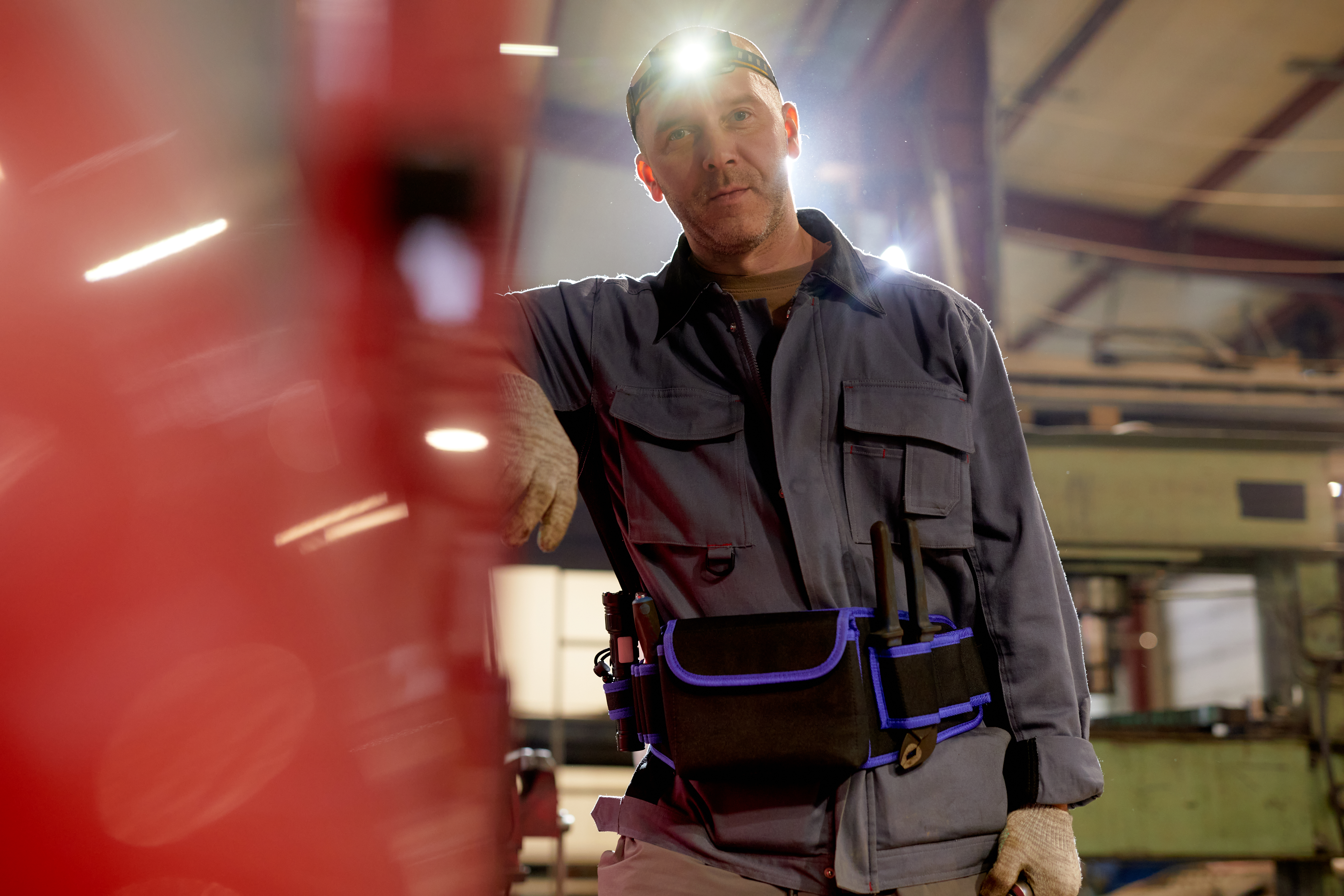
Selecting the right workwear involves understanding materials and balancing multiple factors for optimal safety and comfort.
Understanding Material Durability
Material choice greatly impacts durability. Cotton blends offer comfort but may wear out faster in rugged conditions. On the other hand, polyester blends provide durability and resistance to wrinkles and shrinking. For heavy-duty tasks, consider Kevlar-reinforced fabrics, as they resist abrasions and cuts.
Care and maintenance also extend the life of your gear. Follow washing instructions to prevent shrinkage or damage. Regular inspections help spot small issues before they become big problems. For more information on choosing durable workwear, visit this page.
Balancing Safety and Comfort
A balance of safety and comfort is key. If gear is too bulky, it can hinder movement and reduce productivity. Look for ergonomic designs that allow freedom of motion while maintaining protection. Moisture-wicking fabrics keep workers dry and comfortable in hot conditions.
Adjustable features add versatility. Jackets with removable linings provide comfort in various weather conditions. Adjustable cuffs and hems ensure a snug fit, keeping out dirt and debris. Remember, comfortable gear encourages consistent use, which is crucial for safety.
By following these guidelines, you’ll find workwear that stands up to the toughest jobs while keeping you safe and comfortable on the job.


